What to Look for When Choosing a Dune Buggy in Dubai
Dubai's desert landscape is a natural playground for off-road vehicles, and a dune buggy is one of the most popular ways to experience it. Whether you are a first-time rider or someone who has driven dunes before, picking the right buggy can make the difference between a smooth, enjoyable ride and a day spent dealing with discomfort or mechanical issues. The desert terrain demands more than just a set of wheels and an engine; it requires a vehicle built for sand, heat, and the occasional steep dune face. This article walks through the key factors to consider when choosing a dubai dune buggy, from seating and power to safety and rental policies.
1. Understand the Terrain and Your Riding Style
Before you start comparing models, it helps to think about where you will ride and how aggressively you want to drive. Dubai's dunes vary from soft, powdery sand to harder packed ridges, and some areas include long stretches of flat desert between dune clusters. If you plan to take it easy and enjoy the views, a basic buggy with modest horsepower may be perfectly fine. If you intend to tackle steep faces and carve through deep sand, you will want a vehicle with more torque and a robust suspension system. Knowing your own comfort level with speed and manoeuvrability will guide the rest of your choices.
2. Choose Between Two-Seaters and Four-Seaters
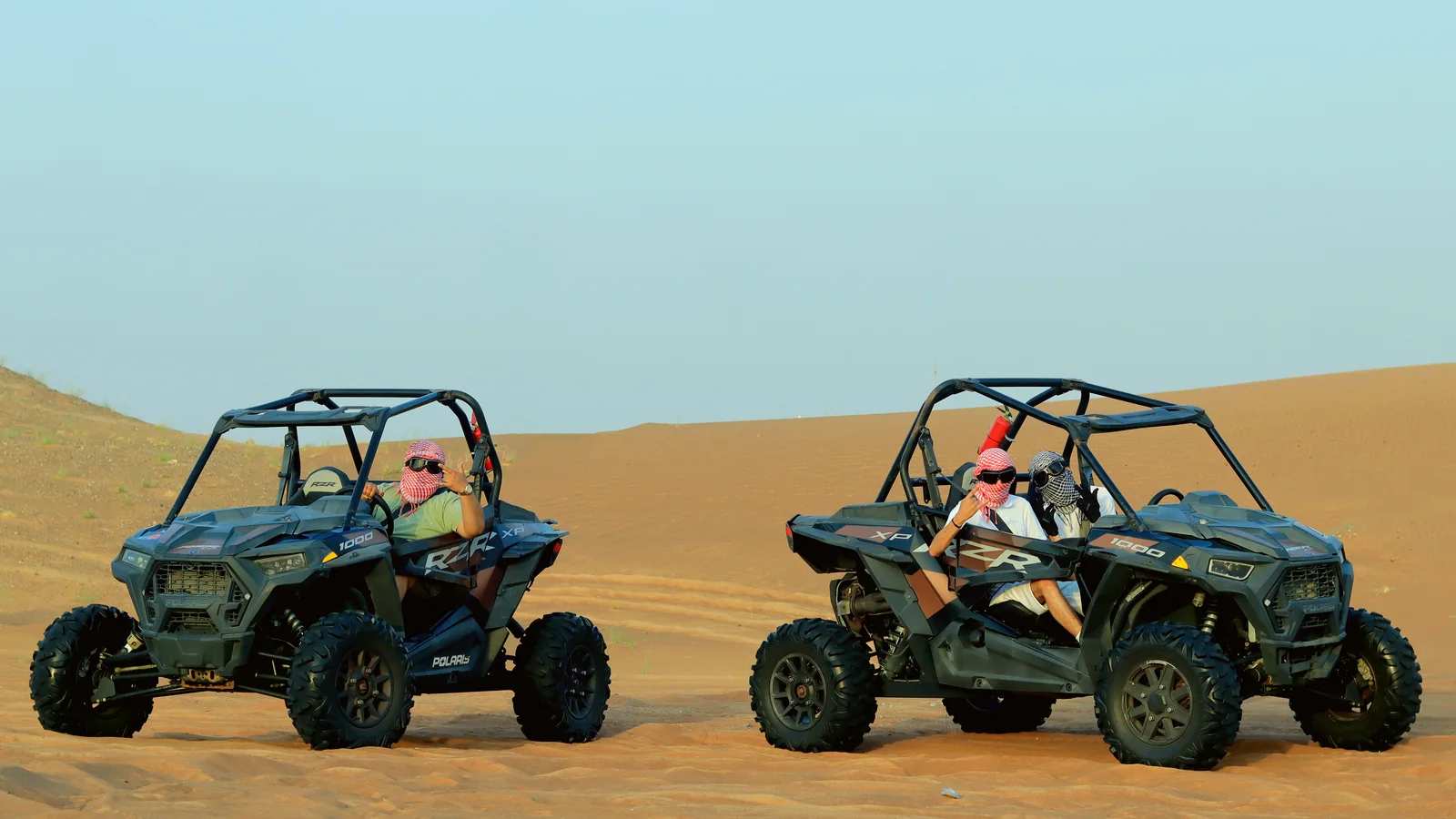
Dune buggies in Dubai typically come in two-seat and four-seat configurations. Two-seaters are lighter and more nimble, making them better suited for quicker turns and steeper climbs. They tend to have a tighter turning radius and can handle technical dune sections with less effort. Four-seaters offer more stability and space for a group, but they are heavier and may feel less responsive on sharp inclines. Think about how many people you want to ride with and whether you prefer a more agile machine or a comfortable, social ride. For a shared experience with friends or family, a four-seater may be the right call. For solo riders or pairs who want to push the limits, a two-seater often delivers more fun.
3. Check the Engine Size and Cooling
Engine size directly affects how the buggy performs on sand. A larger displacement engine, typically measured in cubic centimetres (cc), provides more power to climb dunes and maintain speed on soft sand. In Dubai's summer heat, engine cooling becomes equally important. Air-cooled engines are common and work well for moderate use, but liquid-cooled engines handle sustained high loads better and are less prone to overheating during long rides. When you are reading specifications, pay attention to whether the buggy has a radiator and a fan system. A well-cooled engine will keep running smoothly even when the outside temperature pushes past forty degrees.
4. Examine the Suspension and Tyres
Sand riding puts constant stress on a vehicle's suspension. A good dune buggy should have a suspension system that can absorb the shock of drops and bumps without jarring the rider. Look for models with adjustable shocks or those that come with a reputation for handling desert conditions. Tyres are another critical element. Wide, paddle-style tyres are designed to float on soft sand and provide grip without digging in too deep. Standard all-terrain tyres may work on packed surfaces but can get stuck in loose dune sand. Check whether the buggy you are considering is fitted with sand-specific tyres, and if not, ask if they can be swapped out. The right tyres make steering predictable and prevent the buggy from bogging down on steep faces.
5. Consider Safety Features and Harnesses
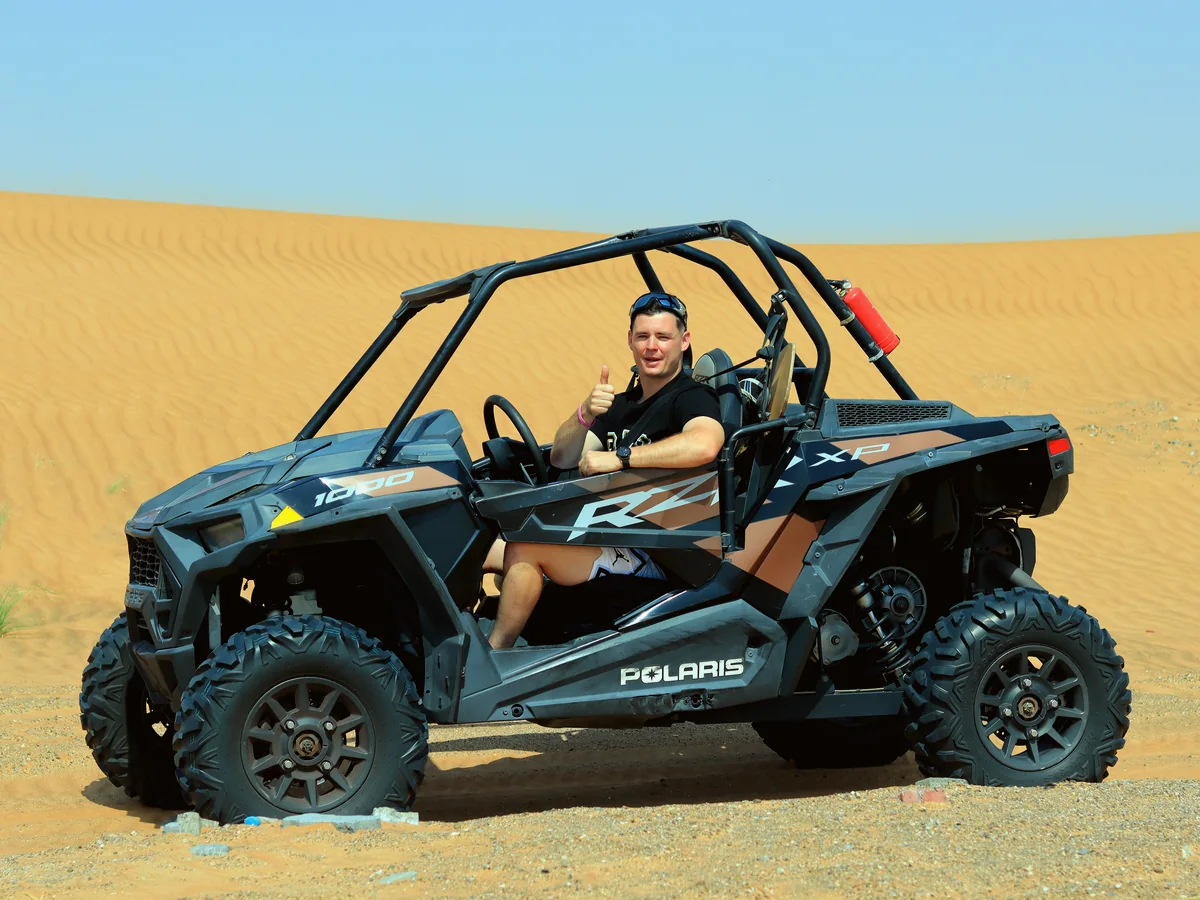
Riding dunes involves sudden changes in direction and elevation, so safety features are non-negotiable. A roll cage is standard on most dune buggies, but the quality and construction vary. Look for a cage made from welded steel or aluminium that feels solid when you push against it. Seat belts should be a multi-point harness, ideally a four-point or five-point system, that keeps you firmly in place during sharp turns or unexpected drops. Some buggies also have a kill switch that stops the engine if the driver is thrown from the seat. While no one plans for an accident, having these features in place gives you the freedom to focus on the ride rather than worrying about what could go wrong.
6. Inspect the Controls and Dashboard Layout
A confusing dashboard or awkwardly placed pedals can ruin an otherwise capable buggy. Before committing to a rental or purchase, sit in the driver's seat and check that you can reach the brake and accelerator comfortably. The steering wheel should be positioned so your arms are not fully extended or cramped. The dashboard should present basic information such as speed, engine temperature, and fuel level in a clear, easy-to-read format. Some buggies have a simple display, while others offer a more detailed readout. The simpler the interface, the less distraction you will have when navigating challenging terrain. Test the controls for responsiveness and make sure there is no excessive play in the steering.
7. Understand the Rental or Purchase Terms
If you are renting a dune buggy, the terms of use can affect your experience as much as the vehicle itself. Ask about the duration of the rental, the route or area you are allowed to ride in, and whether a guide is included. Some operators require a deposit that covers damage to the buggy, and the amount can vary significantly. It is also worth checking what happens if the buggy breaks down during your ride. A reputable operator will have a recovery plan and possibly a replacement vehicle. For those considering a purchase, warranty coverage and the availability of spare parts in Dubai matter a lot. A buggy that is easy to service locally will save you time and frustration. When you are ready to explore options, buggyridedubai.com provides a clear overview of what to expect from a rental experience, including vehicle types and safety guidelines.
8. Evaluate the Weight and Storage Requirements
Dune buggies come in different sizes and weights, and this affects how you transport and store them. A lightweight buggy is easier to load onto a trailer and manoeuvre in tight spaces, but it may feel less planted at high speed. Heavier buggies offer more stability but require a stronger tow vehicle and more space to park. If you plan to store the buggy at home, measure your garage or storage area to make sure it fits. Also consider the fuel type: most buggies run on petrol, but some use diesel or electric motors. Petrol is widely available in Dubai, but electric models are quieter and have fewer emissions. However, electric buggies may have limited range, which is a concern if you want to spend a full day in the desert.
9. Read Reviews and Ask the Community
Online forums and social media groups dedicated to off-road riding in Dubai are a good source of honest feedback. Riders often share their experiences with specific models, including what they liked and what broke. Pay attention to recurring complaints about a particular buggy's reliability or comfort. If you can, speak with a local guide or an experienced rider at a desert camp. They can tell you which buggies handle the local dunes best and which ones are prone to getting stuck or overheating. First-hand knowledge from people who ride the same terrain you plan to ride is more valuable than any spec sheet.
10. Test the Buggy Before You Commit
Whenever possible, take the buggy for a short test ride before you finalise your choice. A test ride reveals things that no brochure or online review can convey: how the steering feels under load, whether the seat is comfortable for a longer period, and how the engine responds to quick throttle inputs. If you are renting, a reputable operator will allow a brief familiarisation drive on a flat area before you head into the dunes. Use that time to adjust the seat, check the mirrors, and get a feel for the braking distance. If the buggy does not feel right during a test ride, trust that feeling and try a different model. The right buggy should feel like an extension of your body, not something you have to fight.
Choosing a dune buggy in Dubai does not have to be overwhelming. By focusing on the terrain, engine cooling, suspension, safety features, and the rental or purchase terms, you can narrow down the options to vehicles that match your skill level and your expectations. Whether you are a weekend explorer or someone looking for a new hobby, the desert rewards those who take the time to pick the right machine. For a practical starting point, buggyridedubai.com offers a detailed look at the types of buggies available and the kind of experience you can expect from a guided desert ride. Buggy Ride Dubai, as one example of a local provider, keeps a fleet that covers the range from two-seaters to four-seaters, giving riders a chance to try different styles before making a decision. The key is to match the vehicle to the rider, not the other way around. With the right buggy under you, the dunes become an open canvas of ridges and slopes waiting to be explored.
 Facebook
 Instagram
 YouTube